
Spring pavement Inspections: What Commercial Property Owners Should Look For
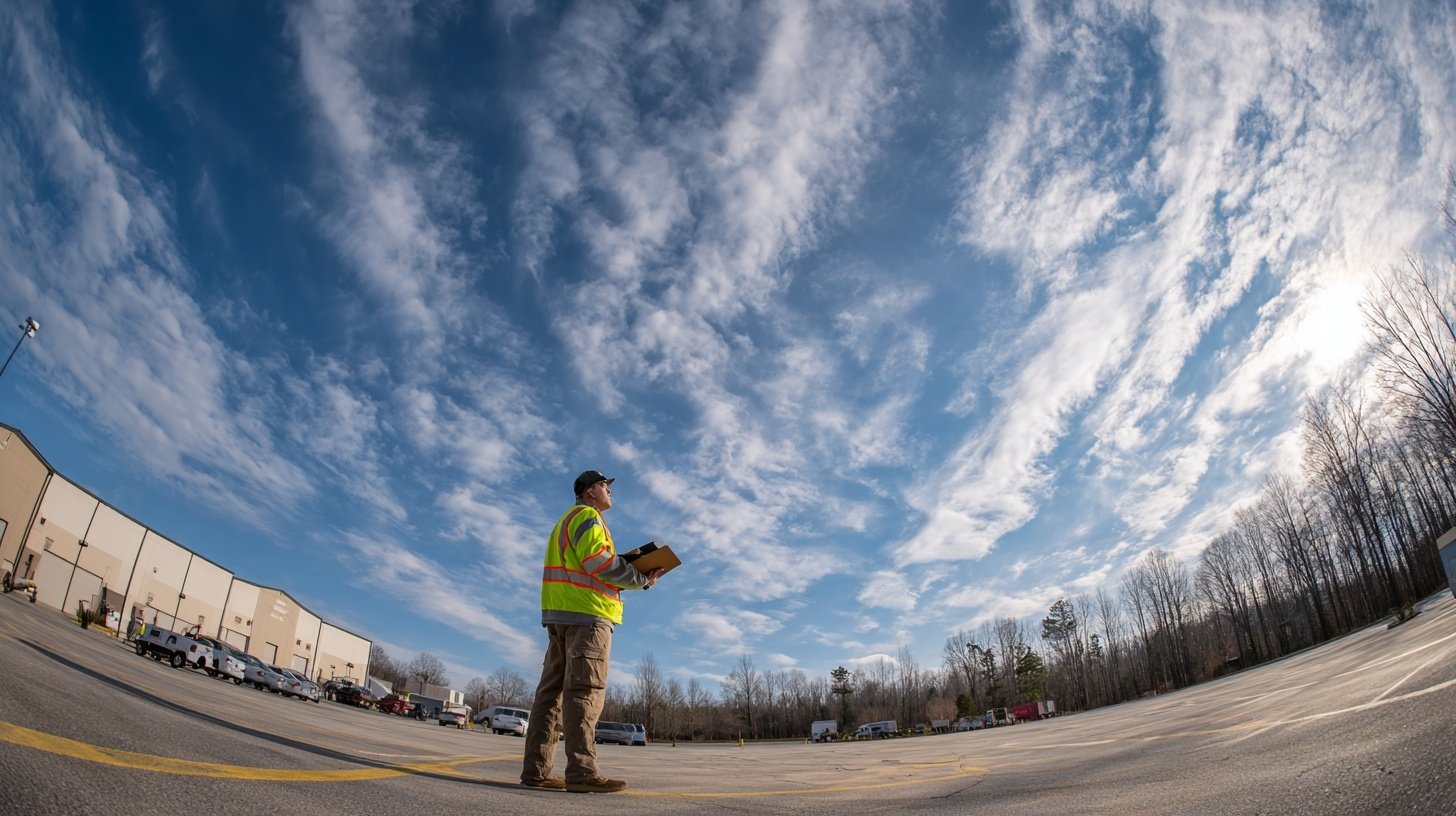
Winter is hard on commercial pavement. Snow, ice, plows, and repeated freeze-thaw cycles quietly stress asphalt and concrete for months. When spring arrives, commercial property owners and facility managers have a narrow but valuable window to assess damage, address safety concerns, and plan repairs before small issues become expensive problems.
A structured spring pavement inspection helps property stakeholders understand current conditions, reduce liability risks, and make smarter maintenance decisions for the year ahead.
Why Spring Inspections Matter
Spring is the most revealing season for pavement evaluations. Damage caused by winter conditions often becomes visible only after temperatures stabilize and moisture begins to drain—or fails to drain—from paved surfaces.
Effects of Winter Freeze-Thaw Cycles
During winter, water seeps into cracks and joints, freezes, expands, and forces pavement apart. This cycle repeats dozens of times over the season.
By spring, these stresses often show up as widened cracks, surface breakdown, and early signs of structural weakness that weren’t visible in colder months.
Why Early Detection Prevents Bigger Repairs
Identifying issues early allows property managers to address problems before they escalate into full-depth failures or large-scale replacements.
Timely repairs are typically more cost-effective and far less disruptive than emergency work during peak operating months.
Post-Winter Surface Damage to Look For
A spring walkthrough should focus on visible surface conditions that indicate deeper problems may be forming below.
Cracks and Expanding Fracture Lines
Cracks that were minor last fall may now be longer, wider, or interconnected.
Pay close attention to:
Longitudinal and transverse cracks
Alligator or fatigue cracking in traffic lanes
Cracks near curbs, loading zones, and utility cuts
These areas often worsen quickly if left untreated.
Potholes and Base Failures
Potholes are more than surface nuisances. They usually signal base layer failures caused by trapped moisture and repeated freezing.
Look for:
Soft or sunken areas around potholes
Broken edges that indicate spreading damage
Repeated potholes in the same locations year after year
Recurring issues often suggest drainage or sub-base concerns.
Surface Raveling and Wear
Raveling occurs when aggregate loosens and breaks away from the pavement surface.
This is common after harsh winters and can reduce traction, accelerate deterioration, and shorten pavement lifespan if not addressed.
Drainage and Water-Related Issues
Water is one of the most destructive forces affecting pavement. Spring inspections should prioritize how well water is moving off paved surfaces.
Standing Water and Low Spots
Pooled water after rain is a red flag. Even shallow standing water can penetrate pavement layers and weaken the base.
Note areas where water:
Collects near entrances or loading docks
Remains after rainfall ends
Flows toward buildings instead of drains
Clogged or Failing Drainage Structures
Winter debris often blocks drains, inlets, and catch basins.
Inspect:
Storm drains and grates
Trench drains near buildings
Outlets and discharge points
Restricted drainage accelerates pavement breakdown and increases freeze-thaw damage in future winters.
How Poor Drainage Accelerates Deterioration
When water can’t escape, it infiltrates cracks and joints, undermining pavement from below.
Over time, this leads to surface collapse, rutting, and structural failure that require far more extensive repairs.
Safety Hazards and Liability Concerns
Beyond pavement longevity, spring inspections are essential for protecting pedestrians, vehicles, and property owners from avoidable risks.
Trip Hazards from Heaving or Settlement
Uneven pavement surfaces develop when frost heave lifts sections or when bases settle unevenly after thawing.
Common risk areas include:
Sidewalk transitions
Crosswalks
Utility patches and repairs
Even small elevation changes can create liability exposure.
Faded Striping and Pedestrian Risk Areas
Winter plowing and salt wear down pavement markings.
Spring inspections should identify:
Faded parking stall lines
Crosswalks that lack visibility
Fire lanes and loading zones that need remarking
Clear markings support traffic flow and pedestrian safety.
ADA-Related Surface Concerns
Accessibility compliance depends heavily on surface condition.
Watch for:
Cracked or uneven accessible parking spaces
Deteriorated curb ramps
Obstructed access aisles
Addressing these early helps reduce compliance risks and improves site usability.
Step-by-Step Spring Pavement Inspection Checklist
A consistent inspection process ensures nothing is missed and makes it easier to compare conditions year over year.
Preparing for the Walkthrough
Before starting the inspection:
Choose a dry day with good visibility
Bring a clipboard or tablet for notes
Carry a camera or smartphone for photos
Review prior inspection records if available
What to Document During Inspection
As you walk the site, record:
Location and type of visible damage
Approximate size and severity of issues
Drainage performance after rainfall
High-traffic or high-risk zones
Consistency matters more than technical precision at this stage.
Photo Tracking and Condition Notes
Photos help track deterioration over time and support planning discussions.
Label images clearly and store them with inspection notes so changes can be compared season to season.
Using Inspection Findings for Smarter Planning
Spring inspections are most valuable when findings are used to guide proactive decision-making.
Prioritizing Repairs Based on Severity
Not all issues need immediate action.
Classify findings into:
Immediate safety concerns
Near-term maintenance needs
Long-term capital planning items
This helps allocate resources efficiently.
Budget Forecasting for the Year Ahead
Understanding pavement condition early allows property managers to:
Forecast maintenance budgets accurately
Avoid surprise emergency expenses
Align repairs with fiscal planning cycles
Predictability is a major advantage of early inspections.
Phasing Repairs to Minimize Disruption
Many commercial sites benefit from phased repairs.
Planning work in stages allows:
Continued site operations
Reduced tenant disruption
Better scheduling around peak seasons
Spring assessments provide the clarity needed to phase work strategically.
The Value of Consistent Pavement Condition Tracking
One-time inspections are helpful, but consistent tracking delivers long-term value.
Moving from Reactive to Planned Maintenance
Properties that monitor pavement conditions regularly are less likely to face sudden failures.
Tracking changes year over year supports informed decisions rather than reactive fixes.
Extending Pavement Life Through Forward Planning
Structured monitoring helps extend pavement lifespan by addressing issues at the right time—not too early and not too late.
Over time, this approach reduces total ownership costs and improves site reliability.