
ADA Compliance Updates Property Managers Should Know This Year
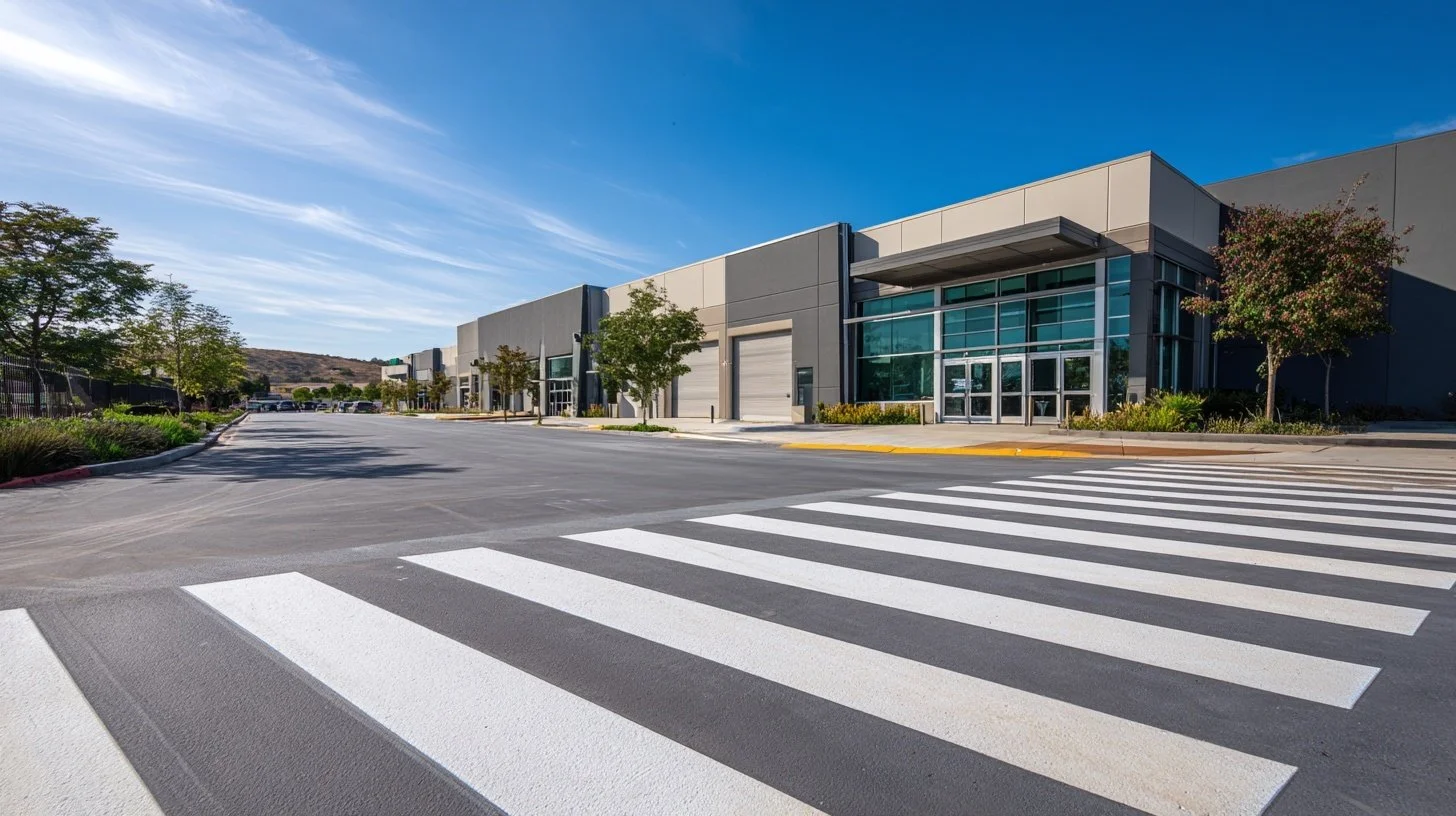
For New Jersey commercial property managers and facility operators, ADA compliance remains a critical part of responsible site management. While the core standards haven’t dramatically changed, enforcement trends, site wear, and increased scrutiny mean small oversights can quickly become real risks. Parking lots, walkways, and exterior access routes are often the first areas reviewed—and the most common sources of compliance issues.
This article provides a clear, non-legal overview of ADA-related site and pavement considerations property managers should understand this year, with a focus on practical maintenance, inspections, and risk reduction.
Understanding ADA Parking Fundamentals
Why ADA compliance matters for property managers
ADA compliance isn’t just about avoiding complaints—it’s about ensuring safe, equitable access for employees, tenants, customers, and visitors. Parking areas and exterior routes are frequently cited in accessibility claims because they are highly visible and subject to weather-related deterioration.
From a management standpoint, consistent compliance supports:
Reduced liability exposure
Safer site circulation
Clear documentation of proactive property care
Federal standards vs. local enforcement
ADA standards are set federally, but enforcement often happens locally through inspections, complaints, or civil claims. In New Jersey, municipalities and property insurers frequently flag accessibility issues during routine reviews or site improvements.
Importantly, properties must maintain compliance over time—not just at the point of initial construction or renovation.
ADA Parking Space and Access Aisle Requirements
Required number of accessible spaces
The number of required accessible parking spaces depends on the total parking count. These spaces must be distributed to serve the shortest accessible route to building entrances.
Key considerations include:
Small lots still require at least one accessible space
Larger facilities must include a proportional number of accessible and van-accessible spaces
Accessible spaces must be located on the most direct route, not just “where they fit”
Access aisle width and placement
Access aisles allow room for wheelchair deployment and safe vehicle entry and exit. They must be clearly marked and remain unobstructed at all times.
Typical requirements include:
Minimum 5-foot-wide access aisles for standard accessible spaces
Minimum 8-foot-wide access aisles for van-accessible spaces
Aisles must connect directly to an accessible route
Van-accessible space distinctions
Van-accessible spaces are not interchangeable with standard accessible spaces. They require additional clearance and proper signage.
Key distinctions:
Wider parking space or wider access aisle
“Van Accessible” signage designation
Vertical clearance considerations along the access route
Slope, Surface Condition, and Drainage
Maximum allowable slopes
Excessive slope is one of the most commonly overlooked ADA issues in parking lots. Even a well-striped space can become non-compliant if slope tolerances are exceeded.
General guidelines include:
Parking space and access aisle slopes not exceeding 2% in any direction
Consistent grading across the entire accessible area
Smooth transitions between surfaces
Why pavement condition affects accessibility
Cracks, settlement, and uneven pavement directly affect mobility device stability. Over time, freeze-thaw cycles and traffic loads can compromise surfaces that were once compliant.
Common problem areas include:
Heaved asphalt near curbs
Depressions around catch basins
Broken pavement at access aisle edges
Ponding water and trip hazards
Standing water creates both accessibility and safety concerns. Ponding in accessible spaces or routes can limit usability and increase slip risks.
Property managers should monitor:
Low spots forming after resurfacing
Drainage failures near ramps or aisles
Seasonal water accumulation after storms
Curb Ramps and Accessible Routes
Proper ramp placement
Curb ramps must align directly with accessible parking spaces and routes. Misaligned ramps force users into vehicular travel lanes or uneven surfaces.
Best practices include:
Ramps located within or directly adjacent to access aisles
No need to cross traffic lanes to reach a ramp
Proper flare slopes on ramp sides
Detectable warnings and transitions
Detectable warning surfaces help alert visually impaired individuals to transitions between walking areas and vehicular zones.
Key considerations:
Consistent placement at curb ramp bottoms
Secure attachment without gaps or lifting
Smooth transitions that don’t create tripping points
Maintaining a continuous accessible path
Accessibility doesn’t stop at the parking space. The entire route—from vehicle to entrance—must remain continuous and unobstructed.
This includes:
Walkways free of cracks or vertical displacement
Door approaches with proper clearances
Seasonal maintenance to remove debris or snow buildup
Signage and Pavement Markings
Required ADA signage elements
Signage is essential for visibility and enforceability of accessible parking spaces. Missing or damaged signs are frequent compliance failures.
Required elements generally include:
International Symbol of Accessibility
“Van Accessible” designation where applicable
Mounting that prevents obstruction by parked vehicles
Sign height and visibility
Improper sign height can render otherwise compliant spaces unusable or unenforceable.
Typical issues include:
Signs mounted too low to be visible over vehicles
Faded or weather-damaged sign faces
Poor contrast against surroundings
Importance of clear, high-contrast striping
Striping defines usable space and access aisles. Over time, paint fading or patchwork asphalt repairs can reduce clarity.
Ongoing striping maintenance helps ensure:
Clear visual boundaries for drivers
Proper use of access aisles
Strong contrast for visibility in low-light conditions
Liability Risks and Proactive Site Reviews
Common compliance oversights
Many ADA issues arise gradually, not from major construction errors. Routine wear often creates non-compliance without obvious warning signs.
Frequent oversights include:
Striping no longer aligned after resurfacing
Slopes altered during patch repairs
Access aisles blocked by signage bases or curbing
How routine pavement and site reviews help
Regular site evaluations allow property managers to identify issues early—before they escalate into complaints or claims.
Effective reviews typically assess:
Parking layout accuracy
Surface condition and drainage
Route continuity from parking to entrance
The role of ongoing condition tracking in responsible property management
Documenting pavement and site conditions over time demonstrates proactive management. This approach supports budgeting, phased repairs, and informed decision-making.
Condition tracking helps:
Prioritize repairs based on risk
Coordinate compliance work with capital planning
Maintain consistent accessibility year after year
Conclusion
ADA compliance is not a one-time checkbox—it’s an ongoing responsibility tied closely to pavement condition, site layout, and routine maintenance. For New Jersey commercial property managers, staying ahead of accessibility concerns through regular inspections and thoughtful planning helps reduce risk while supporting safe, usable spaces for everyone.
Clear striping, proper grading, sound surfaces, and continuous accessible routes all play a role. Addressing these elements proactively is one of the most practical ways to support compliance without disruption or last-minute fixes.