
How Freeze-Thaw Cycles Damage Commercial Asphalt (And How to Prevent It)
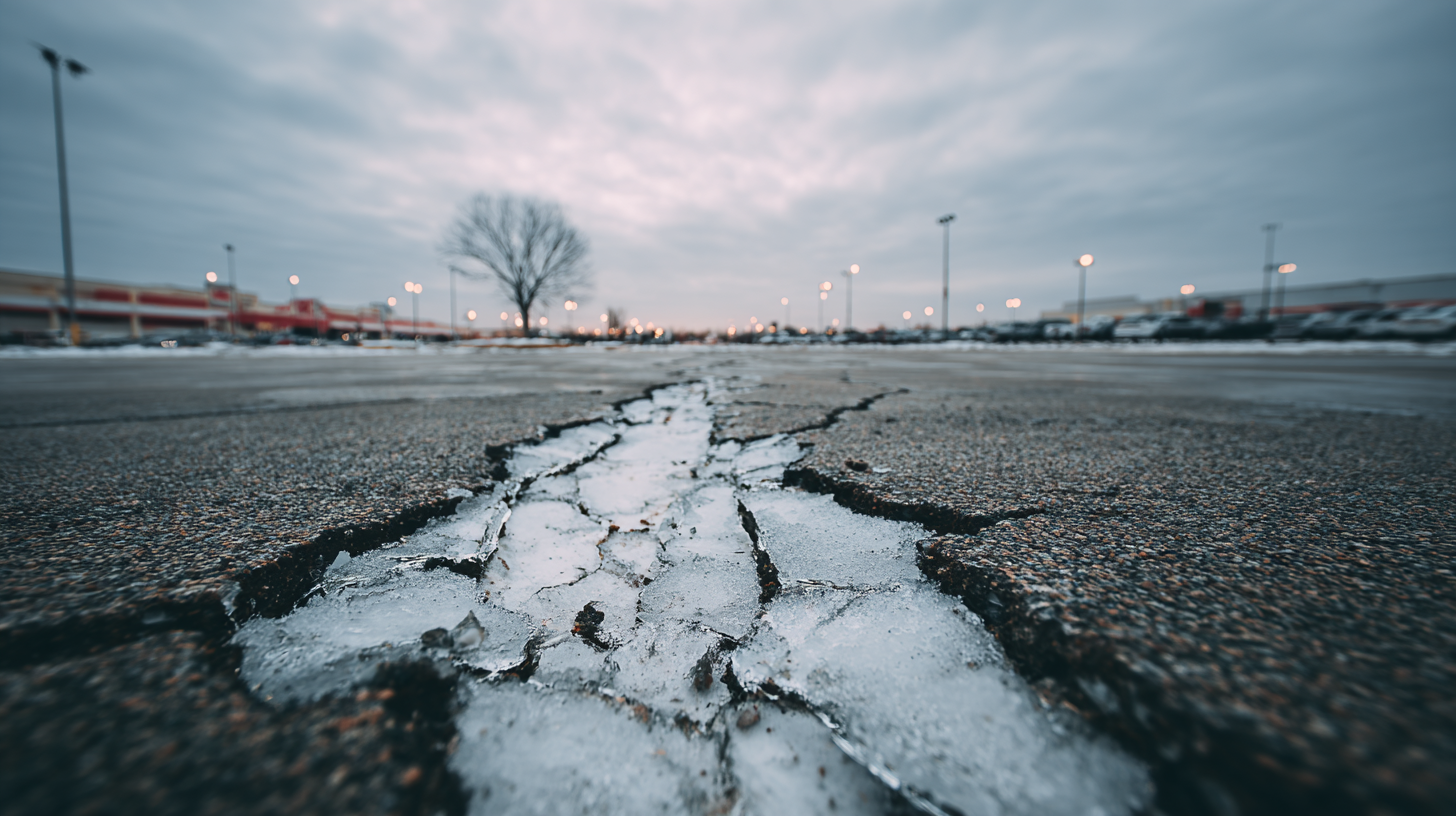
Commercial property owners and managers in New Jersey face a unique challenge every winter: repeated freeze-thaw cycles that quietly degrade asphalt pavement. Warehouses, shopping centers, hospitals, and office complexes all rely on durable, safe pavement to support daily operations. Understanding how freeze-thaw damage occurs—and how to reduce its impact—is essential for protecting both infrastructure and long-term budgets.
The Science Behind Freeze-Thaw Damage
How Water Enters Asphalt Surfaces
Asphalt may look solid, but it is not completely waterproof. Over time, small cracks, joints, and surface voids form due to traffic, aging, and environmental exposure. Rain, melting snow, and ice easily find their way into these openings, especially during late fall and early winter.
Once water penetrates the surface, it can move downward into the pavement layers. Poor drainage or clogged systems can allow this moisture to remain trapped rather than flowing away from the asphalt structure.
Expansion During Freezing and Contraction During Thawing
When temperatures drop below freezing, trapped water expands by roughly nine percent as it turns to ice. This expansion exerts pressure on the surrounding asphalt and aggregate, forcing cracks to widen and new fractures to form.
When temperatures rise and the ice melts, the water contracts and leaves behind slightly larger voids. This freeze-thaw process repeats many times during a typical New Jersey winter, progressively stressing the pavement.
How Repeated Cycles Weaken Pavement Structure
A single freeze-thaw event may cause minimal damage, but dozens of cycles in one season compound the problem. Each cycle enlarges cracks, loosens aggregates, and weakens the bond between pavement layers.
Over time, the asphalt loses its ability to distribute loads evenly. What starts as minor surface damage can evolve into deeper structural failures that are far more expensive to repair.
How Freeze-Thaw Cycles Lead to Visible Pavement Failures
Crack Formation and Expansion
Cracks are often the first visible sign of freeze-thaw damage. Hairline cracks can quickly grow into wider, interconnected patterns as water repeatedly freezes and thaws inside them.
Common crack types include:
Longitudinal cracks along traffic paths
Transverse cracks caused by temperature stress
Block cracking in large paved areas
Left untreated, these cracks allow even more water to penetrate the pavement.
Pothole Development
Potholes are a direct result of advanced freeze-thaw damage. As water infiltrates the asphalt and freezes, it breaks apart the pavement from within. Vehicle loads then dislodge weakened material, creating depressions or holes.
Commercial properties with frequent truck traffic are particularly susceptible, as heavy loads accelerate material loss once the pavement structure is compromised.
Sub-Base Weakening and Surface Instability
The most serious freeze-thaw damage often occurs below the surface. Water that reaches the sub-base can reduce its load-bearing capacity, especially when freeze-thaw cycles disrupt compacted soils.
A weakened sub-base leads to:
Uneven surfaces
Depressions that collect water
Accelerated surface cracking
At this stage, surface repairs alone may no longer be sufficient.
Why Commercial Properties Are Especially Vulnerable
Heavy Vehicle Loads and Traffic Stress
Commercial asphalt is subjected to far greater loads than residential pavement. Delivery trucks, service vehicles, and constant traffic place ongoing stress on surfaces already weakened by freeze-thaw cycles.
When asphalt loses structural integrity, these loads intensify cracking and deformation, speeding up the failure process.
Drainage Challenges in Large Paved Areas
Large parking lots and drive lanes can struggle with effective drainage. Even minor grading issues can allow water to pool, increasing the amount of moisture available to penetrate the pavement.
Snow piles, blocked drains, and compacted ice further exacerbate the problem during winter months, keeping water in contact with asphalt longer than intended.
High Liability Risks From Damaged Pavement
Cracked, uneven, or potholed pavement creates safety hazards for pedestrians and vehicles. Slip-and-fall incidents, vehicle damage claims, and accessibility concerns are all more likely when pavement deteriorates.
For hospitals, retail centers, and office complexes, these risks extend beyond repair costs to potential legal and operational consequences.
Prevention Strategies That Reduce Long-Term Damage
Crack Sealing to Block Water Infiltration
Crack sealing is one of the most effective ways to interrupt freeze-thaw damage. By sealing existing cracks, property managers prevent water from entering the pavement structure in the first place.
Timely crack sealing:
Reduces moisture penetration
Slows crack expansion
Extends pavement service life
This approach is most effective when performed before winter temperatures fluctuate.
Improving Drainage to Reduce Standing Water
Proper drainage is critical for minimizing freeze-thaw impact. Ensuring that water flows away from asphalt surfaces reduces the amount of moisture available to freeze within the pavement.
Drainage improvements may include:
Clearing and maintaining catch basins
Adjusting surface grading
Addressing low spots that collect water
Even small improvements can significantly reduce long-term damage.
Timely Resurfacing Before Structural Failure
When surface wear becomes widespread, resurfacing can restore protection without full reconstruction. A new asphalt overlay seals the surface and provides a fresh wear layer, helping shield underlying pavement from moisture.
Resurfacing is most cost-effective when performed before sub-base damage occurs, making regular evaluations essential.
The Value of Routine Evaluations and Proactive Planning
Identifying Early Warning Signs Before Winter
Routine pavement evaluations help identify vulnerabilities before freeze-thaw cycles accelerate damage. Early warning signs may include fine cracking, minor depressions, or areas where water lingers after rainfall.
Addressing these issues early allows for targeted maintenance rather than reactive repairs.
Scheduling Maintenance Before Damage Accelerates
Proactive planning ensures maintenance work is completed during favorable conditions. Crack sealing, drainage adjustments, and surface treatments are far more effective when scheduled ahead of winter rather than during emergency situations.
This approach minimizes disruptions to tenants, customers, and operations.
Reducing Long-Term Repair and Liability Costs
Preventive maintenance and long-term pavement planning consistently cost less than major repairs or full replacement. By managing freeze-thaw damage proactively, property owners can extend pavement life while reducing liability exposure.
Well-maintained asphalt also supports a professional appearance, reinforcing confidence among tenants, visitors, and staff.