
Winter-Proof Your Asphalt: Expert Strategies to Prevent Freeze-Thaw Cracking and Surface Failure
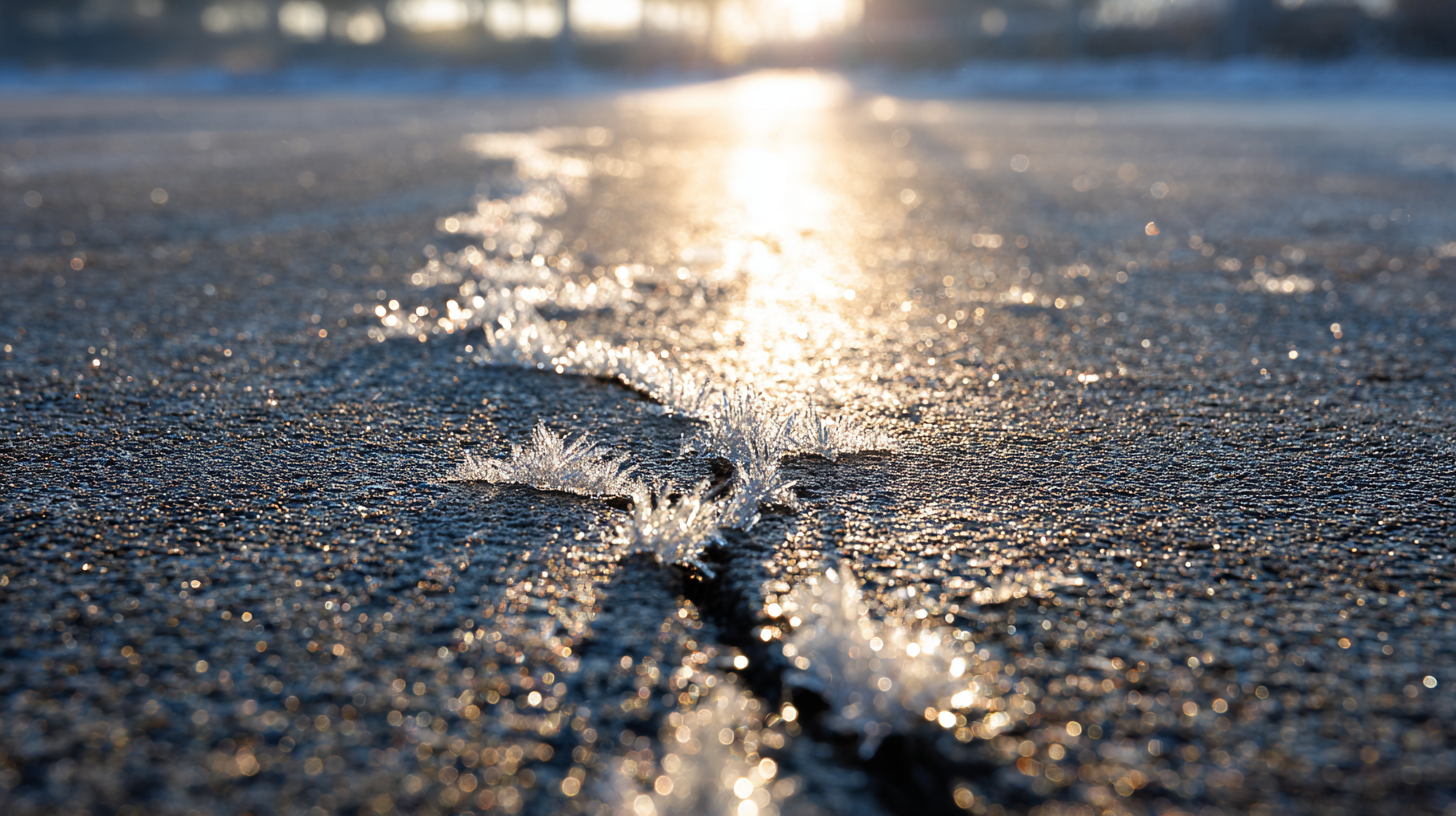
As temperatures swing between freezing and thawing, asphalt surfaces face some of the most severe stress of the year. In the Northeast, where daily freeze-thaw cycles are common, these temperature fluctuations can cause even the toughest pavement to crack, heave, and fail long before its expected lifespan.
Winter-proofing your pavement isn’t just about sealcoating—it’s about understanding the science behind asphalt durability in extreme cold and taking proactive steps to strengthen the surface and sub-base before damage begins.
In this guide, we’ll explain how winter affects asphalt at a molecular level, why some surfaces fail faster than others, and how property owners can protect their investment with simple, evidence-based strategies.
The Science of Asphalt Durability in Extreme Cold
How Asphalt Responds to Temperature Changes
Asphalt is a flexible pavement designed to expand and contract with temperature changes. But in extreme cold, this flexibility is tested.
When the temperature drops, asphalt contracts; when it warms, it expands. Over time, these repeated freeze-thaw cycles cause microscopic stress fractures that spread through the surface.
Each crack allows more water to enter the pavement. When that trapped water freezes, it expands by about 9% in volume, widening existing cracks and forcing the pavement apart from within.
This is why pavement deterioration accelerates exponentially in cold climates—small cracks formed in fall can become potholes by early spring.
Understanding Freeze-Thaw Stress
The most damaging part of winter isn’t constant cold—it’s fluctuation. In regions like New Jersey and Pennsylvania, a single week can see temperatures rise above freezing by day and drop below 20°F at night. Each cycle triggers expansion and contraction within the pavement layers, weakening the bond between aggregate and asphalt binder.
Without intervention, these stress cycles lead to:
Surface cracking and raveling
Base layer separation
Water infiltration and subgrade erosion
Premature surface failure
Preventing Damage Before It Starts
Proactive Crack Sealing and Sealcoating
Cracks act like gateways for water. Once moisture seeps below the surface, freeze-thaw expansion can fracture entire sections of pavement. Sealing micro-fractures early prevents that infiltration and maintains surface flexibility.
Modern hot-applied sealants expand and contract with the pavement, keeping joints watertight through multiple winters. Combined with high-quality sealcoating, this approach significantly reduces oxidation and moisture intrusion.
Tip: Crack sealing should be done while temperatures are still above 40°F to ensure proper adhesion before the first freeze.
Sub-Base Stabilization: The Unseen Hero
While most people focus on surface protection, the real key to winter durability lies below—in the sub-base. This layer supports load distribution and drainage, both critical to withstanding freeze-thaw cycles.
A strong, well-compacted sub-base prevents water from pooling and freezing beneath the asphalt. Adding a stabilized aggregate blend or geotextile reinforcement can further enhance strength and drainage capacity.
If the sub-base remains dry and intact, the pavement above it is far less likely to crack or shift.
Surface Drainage and Runoff Control
Even the strongest pavement will fail prematurely if water can’t escape. Proper grading and sloped surfaces ensure that meltwater flows away from drive lanes and parking stalls instead of refreezing in low spots.
Winter-proofing also includes checking and clearing catch basins, culverts, and trench drains before the first snowfall. Blocked drainage is one of the top causes of sub-surface frost heave.
Cold-Weather Maintenance Strategies
Routine Inspections in Winter
Frequent visual inspections during winter can catch small issues before they grow. Look for new surface cracks, pooled water, or white salt lines, which indicate water infiltration beneath the surface.
If you notice these warning signs, mark the areas for spring repair. Quick patching or localized crack sealing early in the season can prevent widespread damage later.
Use the Right Deicing Products
While salt and chemical deicers are necessary for safety, overuse can degrade asphalt binders and dry out sealcoats. Property managers should:
Avoid calcium chloride on freshly sealed surfaces
Use sand or treated salt alternatives to reduce chemical load
Remove residual salt after storms to prevent long-term drying and erosion
Snow Removal Techniques That Protect the Surface
Improper plowing can scrape or gouge the asphalt, removing protective layers and exposing aggregates to moisture. Always:
Use plow blades with rubber or polyurethane edges
Avoid metal shovels on sealed areas
Keep heavy plows clear of raised curbs and joints
Long-Term Design Solutions for Cold Climates
Choosing the Right Asphalt Mix
Not all asphalt is created equal. For regions with frequent freeze-thaw cycles, polymer-modified binders or mixes designed for flexibility in low temperatures perform best. These formulations resist brittleness and micro-cracking better than standard hot mix asphalt.
Enhanced Drainage Systems
Installing underdrains, edge drains, or permeable base layers can help control moisture buildup beneath the pavement. These systems keep the sub-base dry, reducing the risk of frost heave.
Seasonal Maintenance Scheduling
Plan your annual maintenance cycle around seasonal weather patterns. Conduct inspections and crack sealing in late fall, major resurfacing in late spring or summer, and drainage evaluations before winter returns.
Why Winter-Proofing Pays Off
Every dollar spent on preventive maintenance saves multiple dollars in future repair costs. According to the Federal Highway Administration, timely pavement maintenance can extend service life by up to 10 years compared to reactive repairs.
Winter-proofing also helps maintain curb appeal, safety, and compliance for commercial and municipal properties—especially important in high-traffic lots and access roads.
A well-designed winter maintenance plan combines science and scheduling: sealing the surface, reinforcing the base, and controlling water before it freezes.
The Path to Longer-Lasting Pavement
Winter-proofing your pavement is about preparation, not reaction. By understanding how freeze-thaw cycles affect asphalt from the inside out, property owners can plan smarter and protect their investment year after year.
From proper drainage to sub-base stabilization and proactive sealing, these small steps add up to major savings—and smoother, safer surfaces all winter long.